


Too many pillow options and not enough time before your flight? Same here!
Standing in the travel aisle staring at forty different neck pillows is nobody’s idea of fun.
This list cuts through all that noise. It’s built from ideas that actually work in a cramped economy seat, not just ones that look nice in a product photo.
Every idea here got picked because it’s doable, affordable and actually helps your neck and back on a long trip. No fancy gadgets required, lol!
You’ll find pillow setups, lumbar tricks, packing methods and a few scale tips thrown in too. Because posture on a trip isn’t just about your neck, it’s about how your whole bag sits on your shoulders.
Skim the list and grab whatever fits your next trip. Some ideas take five minutes to set up, others take even less.
Ready to actually enjoy the ride for once instead of limping off the plane? Let’s get into it!
POSTURE TRAVEL PILLOW TIPS
Memory Foam Neck Pillow Setup

Memory foam neck pillows get a bad reputation for being bulky, but the good ones pack down flat and spring right back. The foam contours to your neck instead of just sitting there like a doughnut.
Read also: 15+ Long Flight Essentials List That Beat Jet Lag
Look for one with a slight taper so your chin doesn’t drop forward. That small detail alone changes everything about how you sleep on a plane.
- The five hour flight fix
- Springs back after packing flat
- Tapered edge keeps your chin up
Wraparound Pillow For Airplane Seats
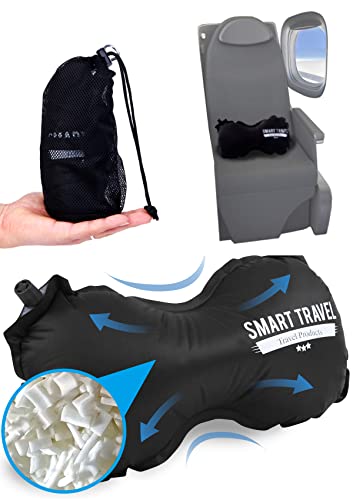
Wraparound pillows loop fully around your neck instead of just propping up the front. They keep your head from tipping sideways when you finally doze off.
This shape works especially well in window seats where you’d normally lean against the wall at an awkward angle. Are you guys seeing how much less your neck hurts with one of these? I can’t!
- The window seat lean fix
- Loops fully around the neck
- Stops the sideways head drop
Inflatable Travel Pillow Comparison

Inflatable pillows win on packability alone; they roll up smaller than a soda can. The tradeoff is firmness, so you’ll want to test the inflation level before your trip, not during it.
Some come with a built in pump so you’re not sitting there red faced blowing one up in the middle of the terminal, haha!
They’re a solid backup pick for carry on space that’s already tight.
- The tiny carry on solution
- Rolls down smaller than a soda can
- Built in pump on some models
Correct Head Alignment Diagram
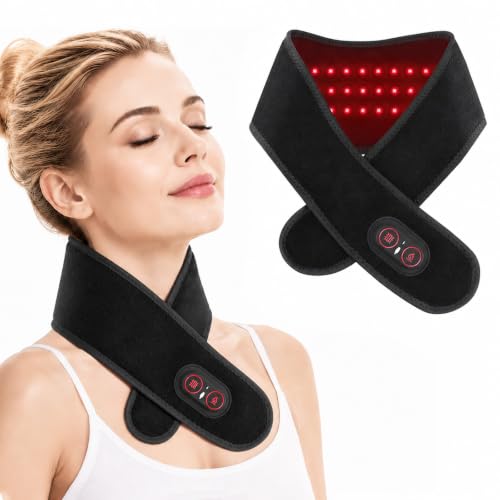
Correct head alignment means your ear lines up over your shoulder, not out in front of it. It sounds small but it’s the whole difference between waking up refreshed and waking up stiff.
- The stiff neck prevention chart
- Ear stays over the shoulder
- Chin stays level, not dropped forward
Pillow Height Adjustment Guide
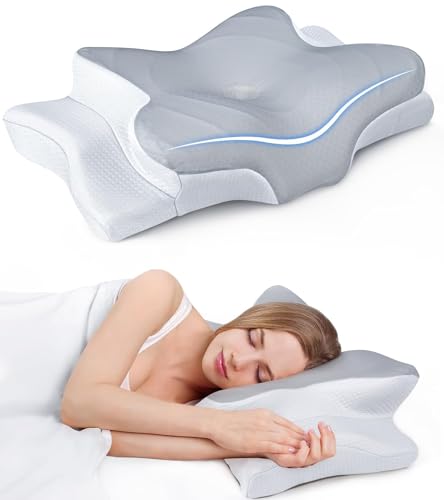
Pillow height matters more than most people think. Too tall and your head tilts one way, too short and it tilts the other.
Adjustable pillows with a strap or velcro closure let you dial in the exact height for your seat. It’s worth the extra two minutes of fiddling before takeoff.
- The two minute fitting trick
- Velcro strap adjusts on the fly
- Fits both aisle and window seats
Cooling Fabric Travel Pillow

Cooling fabric pillows are a lifesaver on flights that somehow feel like a sauna and a freezer at the same time. The gel infused covers stay cool to the touch for hours.
They’re a favorite for anyone who runs warm on planes. This one’s proof that comfort doesn’t have to mean overheating.
- The overheated flight fix
- Gel infused cover stays cool
- Machine washable case
Car Seat Posture Pillow Placement

Car seat posture is its own beast because you’re upright and moving instead of reclined. Placement of the pillow matters here more than the pillow itself.
Tuck it between your headrest and the base of your neck, not up high. That keeps your head from bobbing on long drives.
- The road trip neck saver
- Sits low against the headrest
- Stops the bobbing head nod
Best Pillow For Long Flights
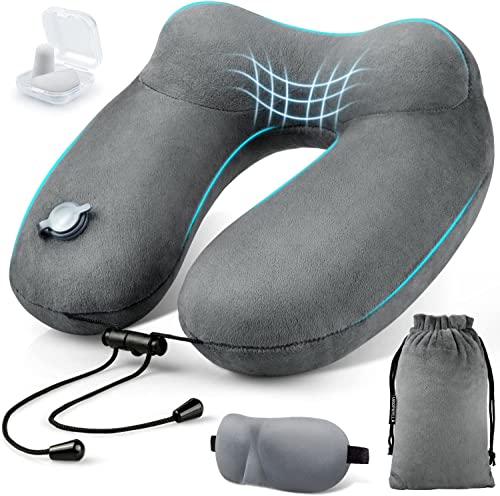
Who doesn’t love finally landing without a crick in their neck, am I right? For long flights specifically, look for a pillow rated for at least six hours of continuous support.
The best ones combine memory foam with a breathable cover so you’re not sweating into it by hour four. This one’s the pick for anyone doing an overnight flight.
- The overnight flight essential
- Rated for six plus hours
- Breathable cover for long stretches
Portable Lumbar Cushion Setup
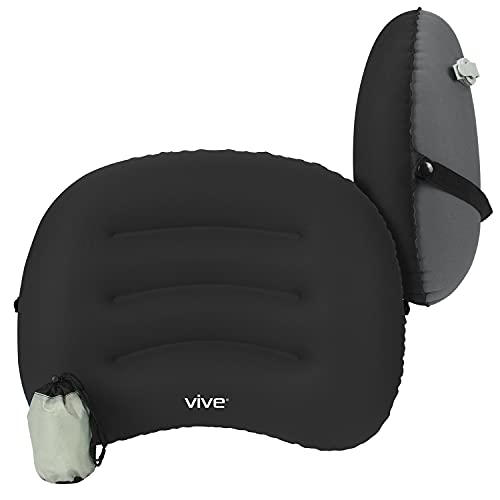
A portable lumbar cushion is one of the easiest lumbar support travel ideas out there because it straps right onto any seat back. It sits at the small of your back and fills the gap most airplane and car seats leave completely empty.
Look for one with an adjustable strap so it doesn’t slide down mid flight. Nobody wants to be reaching behind them every twenty minutes, lol!
- The empty seat gap filler
- Straps onto any seat back
- Fills the lower back gap
Rolled Towel Lumbar Trick

No lumbar cushion on hand? A rolled towel does the exact same job for free.
Roll a hand towel tight, secure it with a hair tie and slide it behind your lower back. Simple, cheap and it actually works.
- Costs nothing to set up
Airplane Seat Back Support
Some airplane seats come with a built in lumbar adjustment lever. Most people never touch it.
Check the side panel of your seat before you assume there’s nothing there.
If yours doesn’t have one, a folded blanket works just as well tucked behind your lower spine.
Rolled Clothes Compression Cubes

Rolling your clothes instead of folding them frees up a surprising amount of suitcase space. Pair that with compression cubes and you’ve basically doubled your luggage capacity.
Read also: 10+ Packing Tips For International Travel That Save Hours
This is one of the biggest compression packing benefits tips travelers overlook completely. It also keeps wrinkles down since there’s less shifting inside the bag.
- The double your space trick
- Rolled clothes fit twice as much
- Fewer wrinkles from less shifting
Vacuum Bag Packing Demo

Vacuum bags take compression to the extreme. Toss your clothes in, roll out the air and watch a full week of outfits shrink down to almost nothing.
This one’s a game for anyone packing bulky sweaters or a winter coat into a carry on. Not that I’m competitive about packing efficiently or anything, haha!
- The bulky sweater shrinker
- Rolls flat with no pump needed
- Great for winter coats and sweaters
Compression Cube Size Chart
Compression cubes come in small, medium and large sizes. Matching the size to the item makes a real difference.
Small cubes work great for socks and underwear, medium for shirts, large for pants and sweaters.
Read also: 18+ Genius Carry On Essentials List Women Swear By
Mixing sizes randomly is how you end up with a lumpy suitcase that won’t close right.
- The lumpy suitcase fix
- Small for socks and small items
- Large for pants and bulky layers
Digital Luggage Scale Reading

A digital luggage scale gives you an exact number instead of a guess. That number matters at check in. Most airlines cap bags at fifty pounds. Going even a pound over means a fee.
These little hook scales cost less than a checked bag fee, so it pays for itself the first time you use it.
- The airport fee avoider
- Reads exact weight in seconds
- Costs less than one bag fee
Weighing Suitcase Before Departure
Weighing your suitcase before you leave the house saves you from the dreaded repacking scramble at the counter. Nobody wants to be shoving shoes into a carry on in front of a long line.
Do it the night before packing is finished, not the morning of. Building in that extra buffer time makes departure day so much calmer.
Handheld Scale Hook Setup
Handheld hook scales are one of the best luggage scale tips because they take up zero space in your bag. Loop the hook through the handle, lift and read the number.
It’s tiny but it saves so much stress.
- The zero space packing tool
- Hooks through any suitcase handle
- Fits in a jacket pocket
Even Weight Backpack Loading

Loading a backpack evenly keeps your shoulders and spine from tilting to one side the whole day. Heavy books or a laptop should sit centered, not pushed to one edge.
If you were hunting for bag weight distribution tips, this one is a keeper!
This one detail is why some backpacks feel fine after an hour and others start hurting after ten minutes.
Heavy Items Bottom Packing Rule

Heavy items belong at the bottom of the suitcase, closest to the wheels. Shoes, toiletry bottles and anything dense should go in first, not tossed on top at the last second.
Read also: 15+ TSA Approved Packing Tips That Speed Up Security
This keeps the whole bag from tipping over the second you set it down. It also protects your softer items from getting crushed.
Balanced Suitcase Layout Guide

Last but definitely not least, a balanced suitcase layout ties every other tip on this list together. Heavy things low and centered, compression cubes stacked evenly and nothing bulging out to one side.
This is the last check before you zip up and head out. A well balanced bag rolls straighter, lifts easier and won’t throw off your posture the second you sling it over one shoulder.
- The final zip up check
- Heavy items sit low and centered
- Rolls straighter through the airport
Just a little note - some of the links on here may be affiliate links, which means I might earn a small commission if you decide to shop through them (at no extra cost to you!). I only post content which I'm truly enthusiastic about and would suggest to others.
And as you know, I seriously love seeing your takes on the looks and ideas on here - that means the world to me! If you recreate something, please share it here in the comments or feel free to send me a pic. I'm always excited to meet y'all! ✨🤍
Xoxo Emily
Related stories