

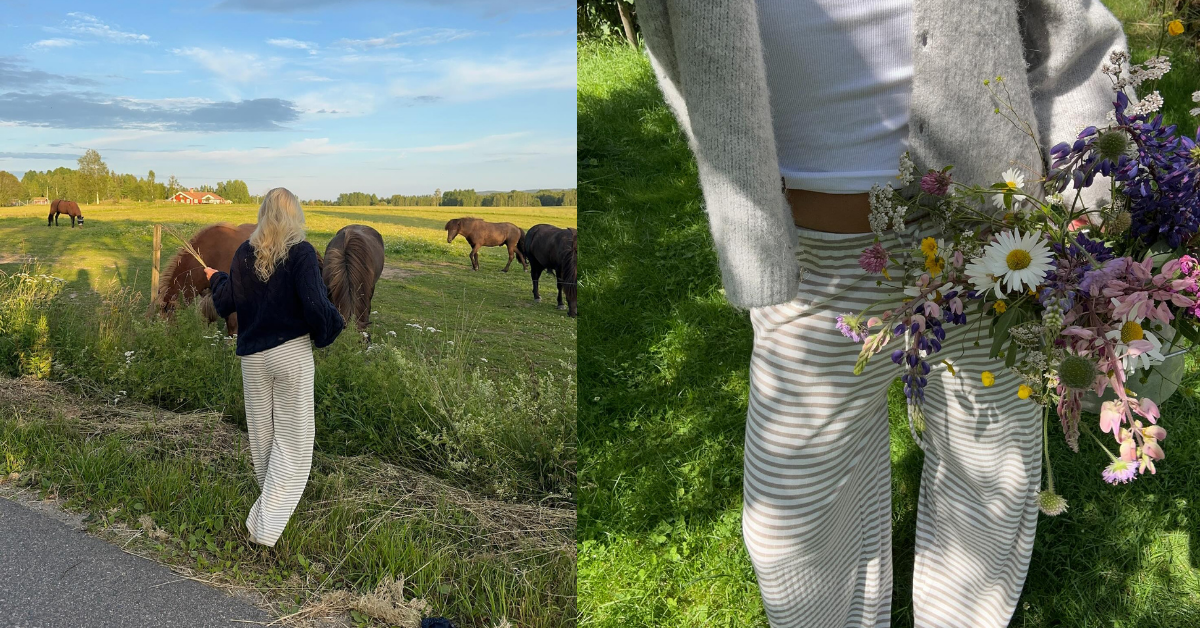

IG: eleonorlq
Cabin trips sound simple until you’re packing and realize you need outfits for three different worlds at once:
- Outside cold (wind, snow, surprise drizzle, muddy trails)
- Inside cozy (fireplace, board games, cooking, lounging)
- Photos and plans (coffee run, dinner out, group pics, maybe a cute town)
Most “cute cabin outfits” fall apart because they’re styled like fall content, not like real mountains. The temperature swings are bigger, the ground is messier, and you’re moving more. The trick is building a small capsule where every piece can do double duty, and then making sure your cute layers are also the layers that keep you warm and dry.
I’ll assume a typical mountain cabin trip where weather can change quickly and the vibe is casual. If you’re going somewhere very dry and mild, or somewhere truly brutal, you’ll just slide the warmth level up or down.
Quick answer for skimmers
- Build outfits using the 3-layer system: base layer (stays dry), mid layer (warmth), outer layer (wind/rain/snow protection).
- Avoid cotton as your next-to-skin layer when it’s cold or wet. Wet fabric increases chill risk, and staying dry matters.
- Pack one cute “hero layer” (shacket, fleece, chunky sweater) that photographs well, and make everything else neutral around it.
- Shoes matter more than you think: prioritize traction + water resistance if there’s snow, slush, or mud.
- The easiest cute formula: leggings or straight jeans + fitted base + cozy layer + puffer + beanie.
- Bring two socks options: cozy for indoors, wool or performance socks for outdoors.
- If you only do one thing: pack one real waterproof shell so you can stay cute even when it rains or snows.
The decision framework: what “cute” means in the mountains
1) Pick your trip type
- Cozy cabin + town (most time inside, short walks, coffee runs)
- Cabin + hikes (daily outdoor time, sweat, changing weather)
- Snow-focused (skiing, sledding, lots of wet cold)
Your outfits only look good if you’re comfortable. If you’re freezing, soaked, or sliding around in the driveway, you won’t feel cute.
2) Choose one style lane
This stops overpacking.
- Classic cabin: plaid + denim + knits + leather boots
- Sporty clean: monochrome sets + puffer + sleek hikers
- Cozy minimal: neutrals + textured layers + simple accessories
3) Use the “one hero, three basics” rule
- 1 hero layer that carries the photos (shacket, statement fleece, chunky knit)
- 3 basics that repeat (base tops + base bottoms)
- 2 outer layers (insulated + shell)
That’s how you look intentional without packing your entire closet.
The core principle: cute outfits come from smart layering
The most reliable outdoor clothing advice is still the simplest: base layer for moisture, mid layer for insulation, outer layer for wind and precipitation.
Base layer: the “stay dry” layer
This is the layer that prevents that clammy-cold feeling.
- Choose merino wool or synthetic next to skin
- Skip cotton next to skin if it’s cold or you’ll sweat, because it holds moisture and can make you colder
Cute tip: base layers can still look nice if you pick clean colors (black, cream, heather gray, forest green) and a flattering neckline.
Mid layer: the “warmth” layer
This is where cabin cuteness lives.
- Fleece, sweater, cardigan, quilted jacket, shacket
- This layer is easy to remove and re-add as you go inside and outside
Outer layer: the “weather reality” layer
This is the layer that makes your outfit functional.
- A wind-resistant, tightly woven coat or jacket helps in cold travel conditions
- If it’s wet, a waterproof, breathable shell is your best friend
This won’t work if you only pack cute wool coats and skip the shell. Wool looks great, but if it’s raining or snowing hard, you’ll end up damp and annoyed.
The packing capsule that actually works
Here’s a realistic 3-4 day cabin capsule that covers most trips.
Tops (6)
- 2 base tops (thermal or fitted long sleeve)
- 1 lightweight tee (for warm afternoons or layering)
- 1 cozy sweater or sweatshirt
- 1 “hero layer” (shacket, fleece, flannel overshirt)
- 1 sleep top you’d be okay being seen in
Bottoms (3)
- 1 leggings or performance tight (for hikes, lounging, travel day)
- 1 straight or relaxed jean (for town and photos)
- 1 warm jogger or knit pant (for inside)
Layers (2)
- 1 insulated layer (puffer jacket or puffer vest)
- 1 waterproof shell (packable)
Shoes (2)
- 1 outdoor shoe with traction (hiking boot, waterproof boot)
- 1 easy “cabin shoe” (slipper, cozy clog, clean sneaker)
Accessories (6)
- Beanie
- Gloves or mittens
- Scarf or neck gaiter
- 2 socks types (wool or performance + cozy)
- Sunglasses (snow glare is real)
- Optional: a baseball cap for bad hair days
Optional. Skip it if you hate extra stuff: pack one small “photo kit” bag with a lint roller, lip balm, and a claw clip. It’s not essential, it just saves you from the car mirror panic.
Outfit formulas you can copy
1) Travel day outfit (cute, comfortable, not sloppy)
- Leggings or joggers
- Fitted thermal top
- Shacket or oversized cardigan
- Puffer vest or puffer jacket
- Sneakers or boots + wool socks
- Beanie
Why it works: you’re cozy in the car, but still look put together if you stop for groceries.
2) Cabin arrival and “unpacking” outfit (the real first impression)
- Straight jeans
- Base top (tucked)
- Flannel or fleece
- Light puffer
- Boots
This is the outfit that ends up in half the photos because you’re doing things.
3) Morning coffee and porch outfit
- Cozy joggers or leggings
- Sweater
- Thick socks + slippers or clogs
- Beanie
Cute rule here: match your beanie to your sweater or socks. It makes loungewear look intentional.
4) Easy hike outfit (warmth without overheating)
- Wicking base layer top
- Fleece or light mid layer
- Shell in your backpack (even if it looks sunny)
- Hiking pants or leggings
- Traction shoes + wool socks
- Hat + gloves if cold
Trade-off with no perfect fix: leggings are cute and easy, but if you’re doing rough trails or sitting on cold rocks, hiking pants usually protect you better. You just have to decide which matters more for your trip.
5) Dinner out or “nice cabin dinner” outfit
- Straight jeans or knit midi skirt (only if it’s not icy outside)
- Fitted knit top or turtleneck
- Hero layer (shacket or sweater blazer)
- Chelsea boots or clean lug boots
- Simple jewelry
If you’re going somewhere slick or snowy, prioritize grip. The cutest boot is the one you can walk in.
6) Snow day outfit that still photographs well
- Thermal base top + thermal leggings
- Fleece
- Insulated puffer
- Waterproof boots with traction
- Beanie + mittens + scarf
If anything gets wet, change it. Cold safety guidance is consistent about removing wet clothes and warming up quickly if someone is chilled.
How to make cabin outfits look “cute” fast
Use a tight color palette
Pick 2 neutrals + 1 accent.
- Neutrals: black, cream, charcoal, tan
- Accent: forest green, rust, burgundy, navy
This makes repeats look styled, not repetitive.
Add structure somewhere
Even in cozy outfits, one structured piece helps:
- a puffer vest
- a jacket with a collar
- straight-leg jeans instead of all leggings
Keep one “face frame” item
Beanies, scarves, and collars matter because most cabin pics are upper-body shots.
- Chunky knit beanie
- scarf
- high-neck sweater
- flannel collar peeking out
Plan for inside and outside temperatures
Mountain trips often mean warm inside, cold outside. That’s why the layer system works: you can remove or add without changing your whole outfit.
Common mistakes (and fixes)
Mistake 1: Packing only cozy cotton
Fix: keep cotton for inside, but pack a wicking base for outside.
Mistake 2: One coat, no shell
Fix: bring a shell. Wind and wet weather change everything.
Mistake 3: Cute boots with no traction
Fix: pick traction first. The CDC specifically calls out waterproof shoes with good traction in wet conditions.
Mistake 4: Overpacking “just in case”
Fix: choose one style lane and repeat pieces. Your photos will look more cohesive anyway.
Mistake 5: Forgetting your hands and head
You lose heat fast through extremities, and cold-weather guidance consistently emphasizes hats, mittens/gloves, and scarves with layered clothing.
Variations by season
Fall cabin (crisp mornings, warm afternoons)
- Base tee + flannel + puffer vest
- Jeans + hiking boots
- Light shell in bag
Winter cabin (snow, ice, real cold)
- Thermal base layers + fleece + insulated coat
- Waterproof boots with traction
- Two glove options (thin + warm)
Spring cabin (mud season, surprise rain)
- Waterproof shell is non-negotiable
- Quick-dry pants or dark jeans
- Boots you can wipe clean
Summer mountain cabin (cool nights, sun)
- Light base layers
- Fleece for mornings
- Shell for sudden storms
A mountain summer packing outline often still follows base-mid-shell logic because mornings and storms can be chilly.
FAQ
How many outfits do I really need for a 3-day cabin trip?
You can do it with 2 bottoms, 3-4 tops, and 2 layers if you repeat and keep a tight palette. The goal is flexibility, not quantity.
Can I wear jeans hiking?
For short, dry, casual walks, sure. For real hikes, performance fabrics dry faster and stay more comfortable if you sweat or get wet.
What’s the single most important item for looking cute and staying comfortable?
A waterproof shell. It lets you keep your cute mid layers on display without getting soaked.
Do I need snow boots?
If there’s deep snow, slush, or extended time outside, yes. If it’s mostly a cozy cabin and plowed paths, a waterproof boot with traction can be enough.
What’s the “cute but warm” secret for photos outside?
Layer a fitted base + cozy mid layer + puffer, then add a beanie and gloves. You’ll look styled, and you won’t be shivering through every shot. Cold-weather guidance emphasizes layered, loose clothing and covering extremities.
What if I get cold easily?
Go up one warmth level: thermal base, thicker mid layer, and a longer insulated coat. Also keep dry. The National Weather Service and CDC both emphasize dressing in layers to prevent hypothermia risk.
Should I avoid cotton completely?
Not necessarily. Cotton can be great inside the cabin. The issue is cotton next to skin in cold or wet conditions because moisture management matters.
Just a little note - some of the links on here may be affiliate links, which means I might earn a small commission if you decide to shop through them (at no extra cost to you!). I only post content which I'm truly enthusiastic about and would suggest to others.
And as you know, I seriously love seeing your takes on the looks and ideas on here - that means the world to me! If you recreate something, please share it here in the comments or feel free to send me a pic. I'm always excited to meet y'all! ✨🤍
Xoxo Emily