Skip the intro · jump to the list ↓
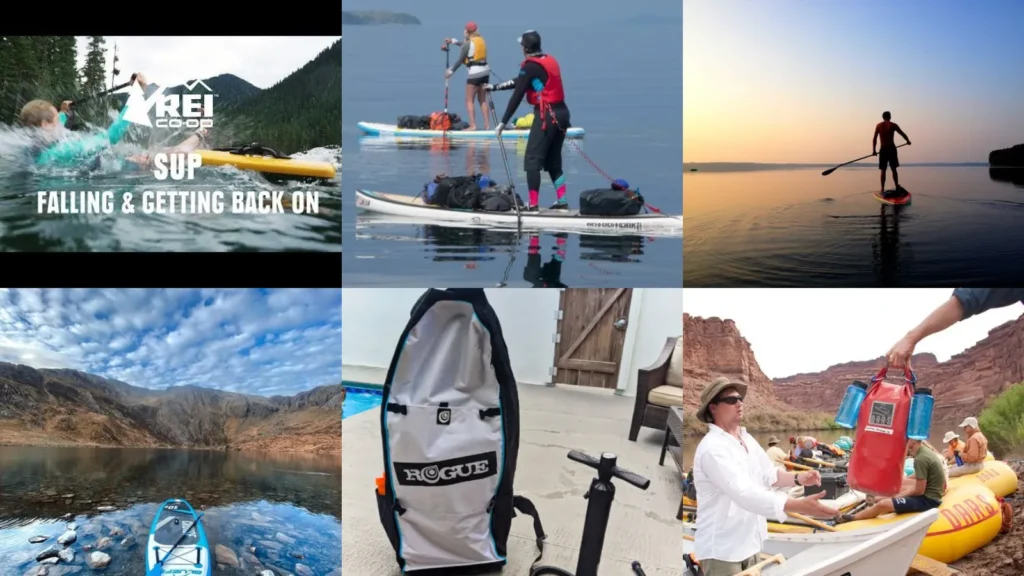
Here’s a tip nobody tells you before your first time on a board: look at the horizon, not your feet. Staring down is basically a one way ticket into the lake, lol!
That one small trick fixes so much wobble it’s almost unfair how simple it is. Little things like that are exactly why a list like this is worth scrolling.
This roundup pulls from hundreds of paddleboarding pins and beginner guides. Only the doable things made the cut. No pro gear, no scary currents, nothing that needs a wetsuit budget.
Every idea here works for a regular person with a regular budget and maybe one free Saturday morning. That includes balance drills, packing lists, storage fixes and a few lake routes worth trying.
Some points are hands on skills, some are gear checklists, some are just pretty inspiration for where to go next. Use whichever ones fit where you’re at right now.
Ready to actually feel steady out there instead of just hoping for the best? Let’s get into it.
PADDLEBOARD TIPS FOR BEGINNERS
Falling Off Safely Tips
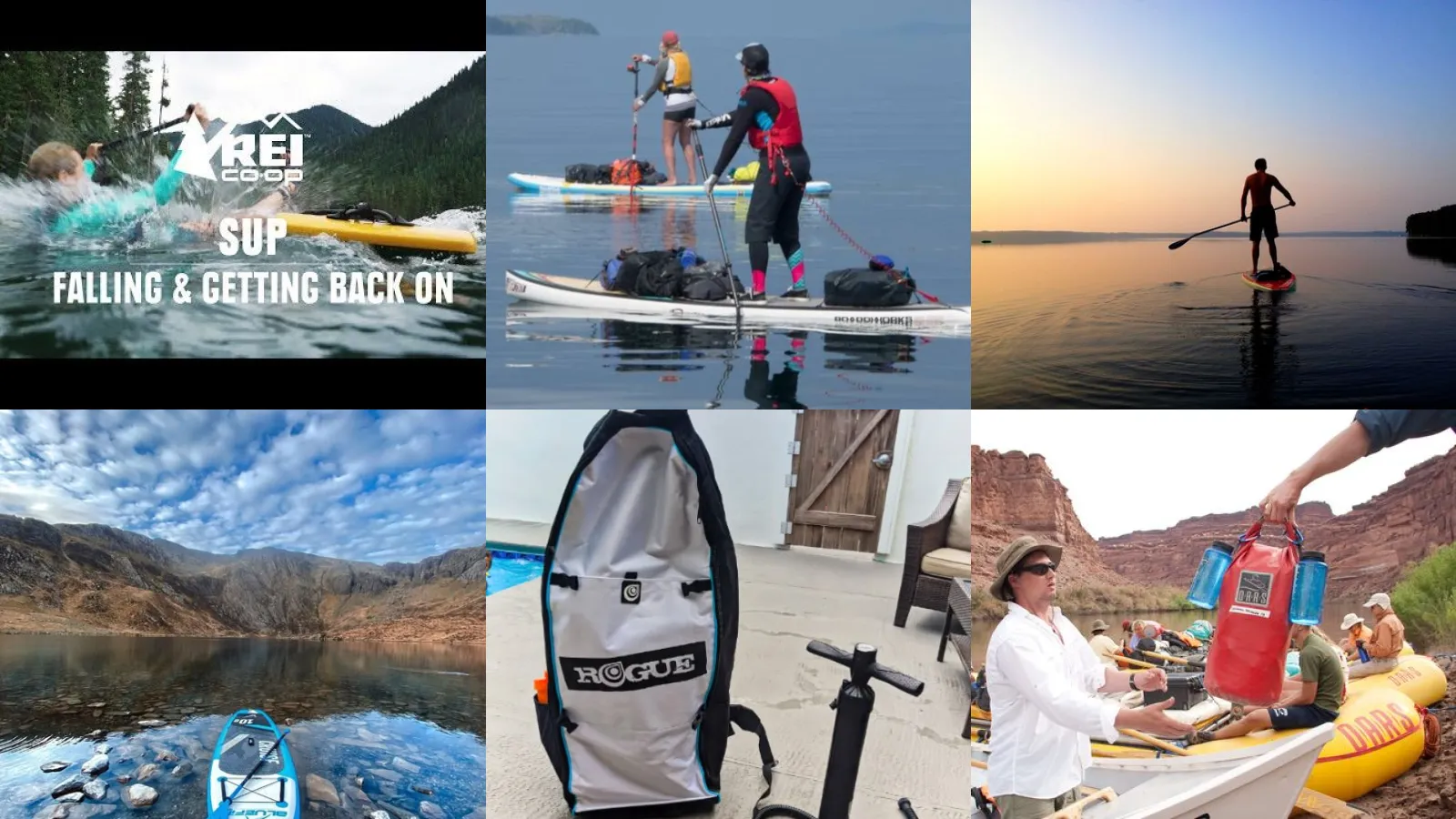
Falling off is not a failure, it’s basically part of the sport. The trick is falling away from the board so it doesn’t smack you on the way down.
Aim for the water, not the deck. Keep your paddle away from your body. Most beginners tense up right before the splash, which honestly makes it worse.
Loosen your knees and just let it happen. It’s over in two seconds and the water is usually way warmer than expected.
Beginner Balance Exercises Onshore
Practicing balance on dry land sounds silly, but it works. A wobble board or even a couch cushion on the floor teaches your core the same wiggle it’ll feel on water.
Stand with feet hip width apart and hold that position for thirty seconds at a time. Do that a few times a day and paddling day feels way less shaky.
- Zero water required
- Works in a living room
- Ten minutes builds real balance
Standing Up Step By Step
Getting from sitting to standing feels awkward the first few tries. That’s completely everyday. Start on your knees near the center handle before attempting anything upright.
Push up one foot at a time, keeping your hands on the board for balance the whole way. Rushing this step is where most first timers end up swimming.
- The slow version actually works faster
- One foot then the other
- Hands stay down until you’re steady
Essential SUP Gear Checklist
A solid sup packing list saves you from realizing halfway to the lake that the leash is still in the garage. Board, paddle, leash, PFD and a whistle cover the basics.
Add a pump if the board is inflatable and a repair kit just in case. Coworkers who paddle regularly all say the same thing, forgetting the leash is the classic rookie move, haha!
- Nothing gets forgotten twice
- Leash clips right to the ankle
- Pump fits in a small tote
What To Wear Paddleboarding
What you wear matters more than people expect. Quick dry fabrics beat cotton every time, since cotton just gets heavy and clingy the second it’s wet.
A rash guard prevents sunburn and board rub in one shot. Water shoes help too, especially on lakes with rocky entry points.
- Dries before you get home
- Rash guard blocks sun and rub
- Water shoes save your toes on rocks
Packing Snacks For Paddling
Snacks on the water need to survive heat, splashes and getting jostled around in a dry bag. Trail mix, granola bars and dried fruit hold up better than anything mushy.
Skip the crackers, they turn to sand the second moisture gets near them. A refillable water bottle clipped to the deck bungee beats a loose one every time.
- Nothing soggy, nothing squished
- Trail mix survives the splash
- Bottle clips to the bungee
Sunrise Lake Paddle Route
Sunrise paddles are quieter, cooler and honestly a little magical. Glassy water in the early morning makes balance easier too, since there’s barely any chop to fight.
Pick a route that hugs the shoreline for your first few sunrise attempts. Getting out before the boats show up means the whole lake feels like it’s just yours.
Family Friendly Lake Spots
Not every lake works for beginners. Shallow calm spots make the biggest difference. Look for lakes with a gentle boat ramp and minimal wake traffic.
State park lakes tend to have lifeguards and clearly marked swim zones, which helps everyone relax. These lake paddle ideas work especially well for anyone paddling with nervous friends or first timers in the group.
Scenic Lake Paddle Photos
Some lakes are just built for photos, with mountain reflections or golden hour light bouncing off the water. Are you guys seeing how good these shots look?
A cheap waterproof phone pouch means you never have to choose between the paddle and the picture. Sunset paddles tend to produce the best ones, hands down.
Wall Mounted SUP Rack
A wall mounted rack keeps the board off the floor and out of the way completely. Two padded hooks screwed into wall studs hold most boards without a single scratch.
This setup works in a garage, a mudroom or even a covered patio. It also turns the board into a bit of a decoration between paddle days.
- Off the floor for good
- Padded hooks skip the scratches
- Fits studs sixteen inches apart
Garage Paddleboard Storage Setup
Garages get cluttered fast, so a dedicated corner for paddle gear actually helps. Freestanding racks hold multiple boards upright without leaning them against the car, which never ends well.
Hooks for paddles and a bin for life jackets round out the setup nicely. These paddleboard storage ideas keep everything grouped in one spot instead of scattered across three shelves.
- One corner, everything sorted
- Rack holds boards upright
- Bin keeps vests dry between trips
Inflatable SUP Storage Bag
Inflatable boards deflate down to almost nothing, which is the whole point of owning one. The included storage bag usually has backpack straps, making it easy to haul from car to closet.
Store it somewhere dry and away from direct heat so the material stays flexible. A closet shelf works just fine when the bag is folded properly.
- Shrinks down to backpack size
- Straps carry it like a hiker
- Closet shelf is plenty of room
Rolling Clothes Dry Bag
Rolling clothes instead of folding them saves a surprising amount of space inside a dry bag. It also keeps everything from wrinkling into a crumpled mess by the time you unpack.
Roll tightest items first, then work outward with bulkier layers like a hoodie. A tight roll fights water better than a loose one too.
- More room, less wrinkle
- Tight rolls beat loose folds
- Hoodie goes on the outside
Waterproof Phone Case Setup
A waterproof phone case setup means catching that perfect lake photo without any panic about a splash ruining your phone forever. Clip it to a lanyard so it never sinks if it slips.
Test the seal in a sink before trusting it on the water. That thirty second check has saved more than one phone from a watery grave, haha!
- No more panic at every splash
- Lanyard catches it if it slips
- Sink test before the lake test
Organizing Dry Bag Compartments
Last but definitely not least, organizing dry bag compartments makes the whole trip smoother. Keep valuables in a small inner pouch and bulkier things like towels toward the bottom.
Following solid dry bag packing tips means you’re never digging through wet gear to find your keys. A little color coding with small things sacks inside the big bag works wonders too.
It takes an extra five minutes before you leave. That extra five minutes pays for itself every single time you need something fast.
- No more digging around soaked
- Small pouch for keys and cards
- Color coded sacks speed things up
Just a little note - some of the links on here may be affiliate links, which means I might earn a small commission if you decide to shop through them (at no extra cost to you!). I only post content which I'm truly enthusiastic about and would suggest to others.
And as you know, I seriously love seeing your takes on the looks and ideas on here - that means the world to me! If you recreate something, please share it here in the comments or feel free to send me a pic. I'm always excited to meet y'all! ✨🤍
Xoxo Emily
✨ Wait! Your next favorite is right here
These are the posts readers open next. See why: